Common Cleaning Mistakes You're Making (And How to Fix Them Easily)
-
Lillian Gibson
- /
- 03.28.2026
- /
- 0
- /
- Views 571
Beyond the Surface: Rethinking Your Cleaning Routine 🧼
For many, cleaning is a ritual, a task performed out of necessity or habit. We grab our supplies, tackle the visible grime, and often feel a sense of accomplishment once done. Yet, beneath this familiar routine lies a fascinating intersection of chemistry, microbiology, and human behavior. Historically, cleaning practices evolved from basic hygiene to more sophisticated methods, driven by understanding disease transmission and the desire for aesthetically pleasing environments. However, this evolution hasn't always translated into optimal everyday practices for everyone.
The modern household is a complex ecosystem, and effective cleaning requires more than just elbow grease. Early research into public health and sanitation highlighted the critical role of cleanliness in preventing illness, leading to the development of countless cleaning agents and tools. Despite these advancements, many common cleaning methods persist, often passed down through generations or adopted from anecdotal advice, without a critical examination of their true efficacy. This can lead to a cycle of repeated effort with less-than-ideal results, creating frustration and potentially leaving behind unseen contaminants.
A significant body of work in environmental health and consumer science continuously evaluates the effectiveness of various cleaning techniques and products. These studies often reveal a stark contrast between perceived cleanliness and actual hygienic conditions. The allure of quick fixes and "all-in-one" solutions can sometimes overshadow the fundamental principles of effective dirt and germ removal. Understanding these principles is key to transforming a laborious chore into an efficient and genuinely beneficial activity, ensuring our spaces are not just tidy, but truly clean and healthy.
The implications of ineffective cleaning extend beyond mere aesthetics; they touch upon well-being, resource consumption, and even the longevity of our belongings. When we fail to address the root causes of dirt or misuse cleaning agents, we might inadvertently damage surfaces, waste products, or, most importantly, leave harmful pathogens behind. It's a testament to the importance of informed practice that companies like CLEANING SIMPLE are dedicated to demystifying these processes, helping individuals move past common misconceptions to embrace smarter, more effective cleaning strategies for their homes and offices.
Key Insights from Cleaning Science 🔬
-
Many popular cleaning products require specific "dwell times" to effectively sanitize or disinfect surfaces, a detail frequently overlooked by users in a rush.
-
The overuse or incorrect mixing of cleaning chemicals can not only be ineffective but also potentially harmful, creating toxic fumes or damaging materials.
-
Cleaning tools themselves, if not properly maintained and sanitized, can become reservoirs for bacteria and inadvertently spread germs across surfaces.
Unpacking the Common Pitfalls and Their Impact 💡
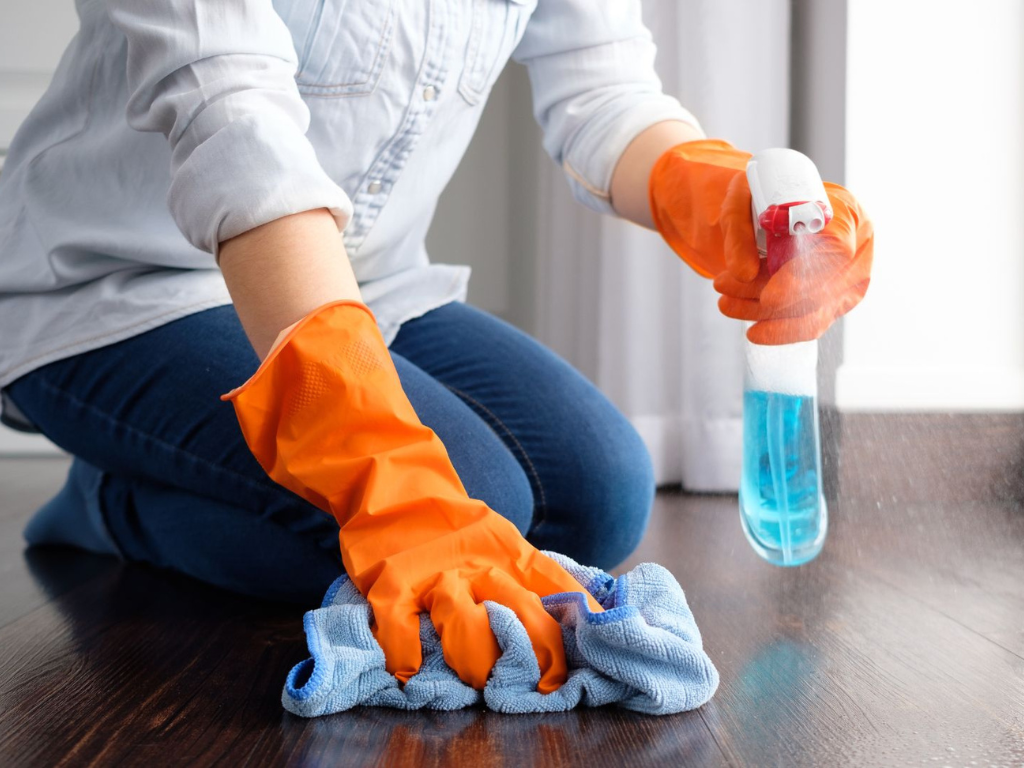
One of the most pervasive mistakes is the misunderstanding of disinfectant contact times. Many people spray a surface, wipe it almost immediately, and assume it's disinfected. However, disinfectants need to remain wet on a surface for a specific duration – often several minutes – to effectively kill germs. Wiping too soon renders the product largely ineffective, turning a sanitizing effort into little more than a superficial wipe-down.
Another frequent error involves the misuse of cleaning products. More isn't always better, especially with concentrated formulas. Using too much detergent can leave behind a sticky residue that actually attracts more dirt, creating a vicious cycle. Similarly, mixing different cleaning chemicals without understanding their reactions can produce dangerous fumes or render both products inert, wasting time and resources.
The condition of your cleaning tools is paramount. A dirty sponge or mop head can be a breeding ground for bacteria, effectively spreading germs from one surface to another. Think of it: you're not cleaning; you're simply relocating microorganisms. Regularly washing or replacing sponges, cloths, and mop heads is a simple yet critically overlooked step in maintaining true cleanliness and preventing cross-contamination in your home.
Often, people clean in the wrong order. Starting with dusting and then vacuuming makes sense, as dust settles. But if you clean the floor before wiping down counters, you're just allowing dust and debris from the counters to fall onto your freshly cleaned floor. Establishing a logical flow, working from top to bottom and from dry to wet tasks, can dramatically improve efficiency and results, ensuring you don't undo your own hard work.
Ignoring manufacturer instructions on product labels is a common oversight with significant consequences. These instructions aren't just suggestions; they are carefully formulated guidelines for safe and effective use. They specify dilution ratios, suitable surfaces, and crucial safety precautions. Skipping this vital information can lead to damaged surfaces, ineffective cleaning, or even health hazards, undermining the very purpose of cleaning.
Finally, neglecting routine maintenance of appliances like washing machines or dishwashers can lead to diminished performance and unpleasant odors. These machines, designed to clean, also need cleaning themselves to function optimally. A build-up of soap scum or mineral deposits can hinder their effectiveness, meaning your clothes or dishes aren't getting as clean as you think. Regular deep cleaning of these essential tools is a small effort for a significant return in hygiene and longevity.
Actionable Takeaways for a Cleaner Home ✨
-
Always read and follow product labels carefully, paying close attention to dilution ratios, contact times, and recommended surfaces to maximize effectiveness and safety.
-
Invest in quality cleaning tools and commit to their regular maintenance; washing cloths, sanitizing sponges, and cleaning vacuum filters are essential steps for true hygiene.
-
Adopt a systematic approach to cleaning, working from top to bottom and dry to wet, to avoid re-contaminating areas and ensure a more thorough and efficient process with CLEANING SIMPLE principles.
 CLEANING SIMPLE